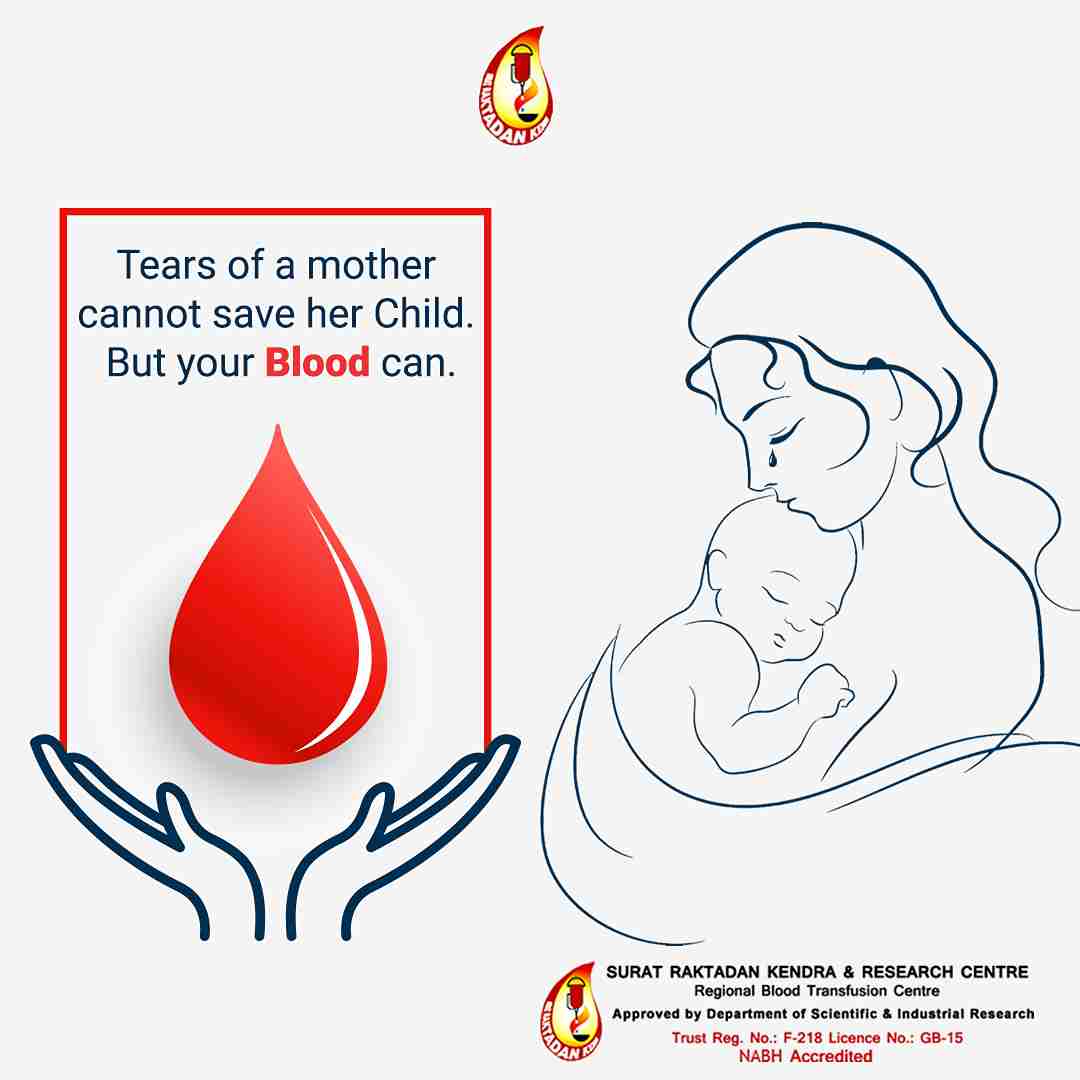
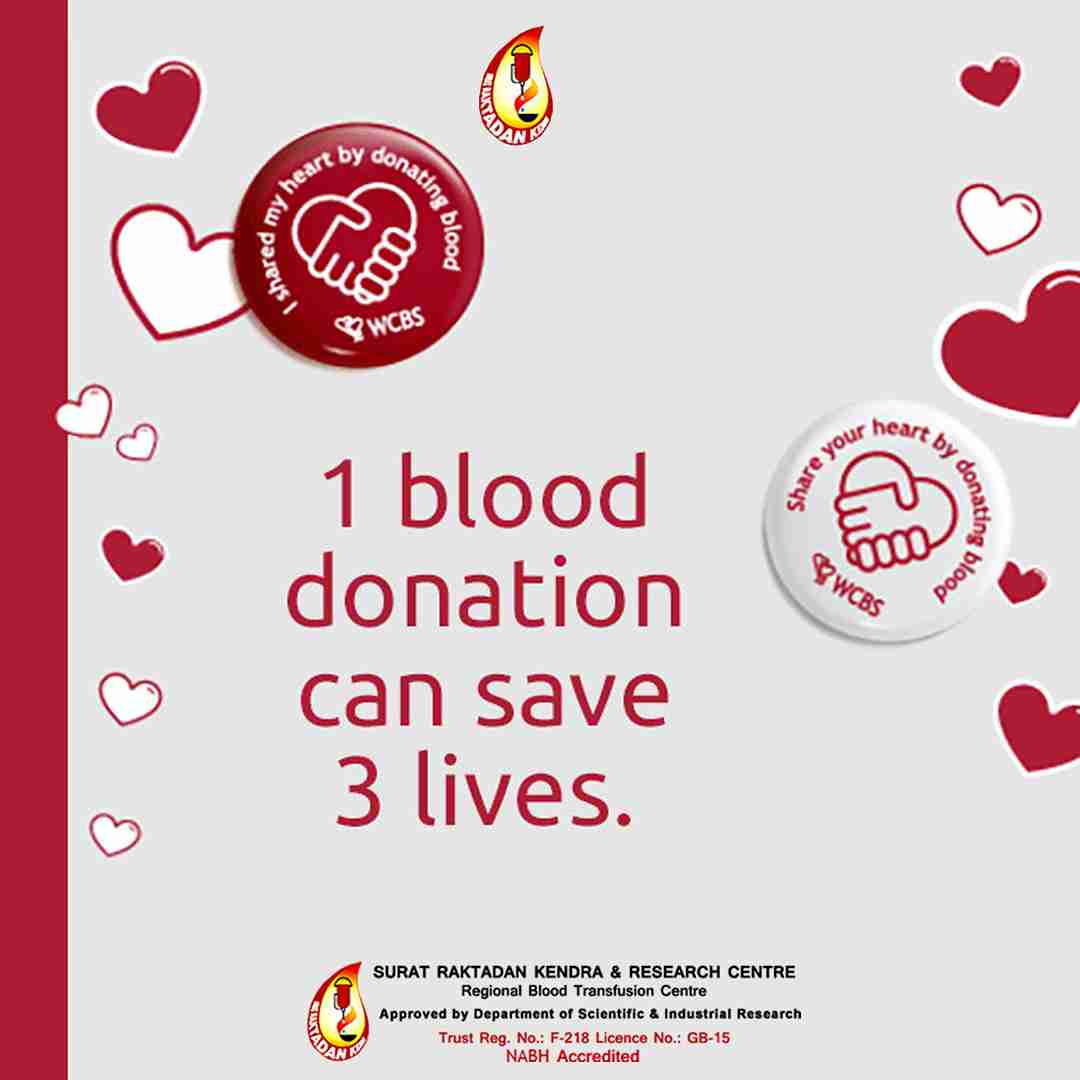
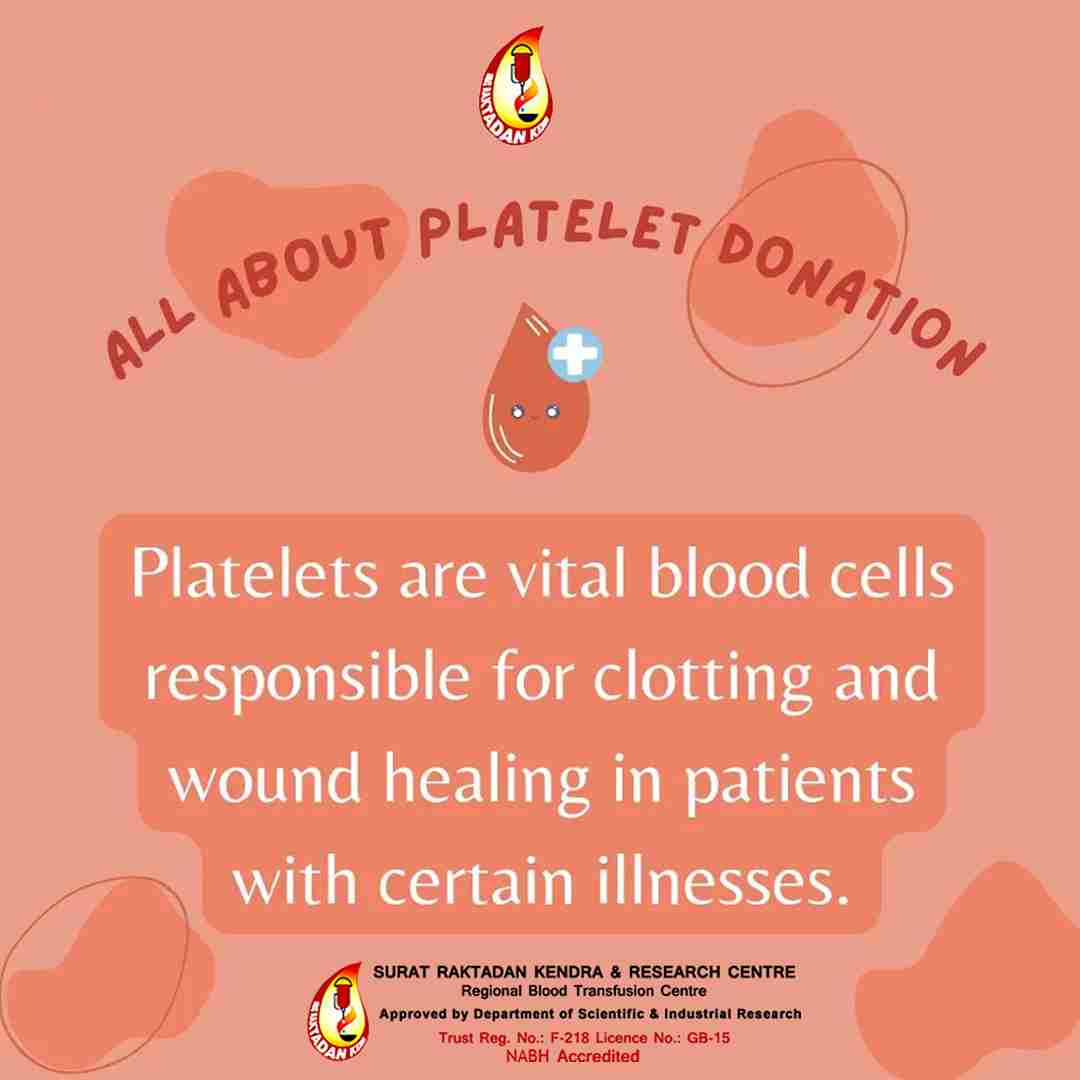
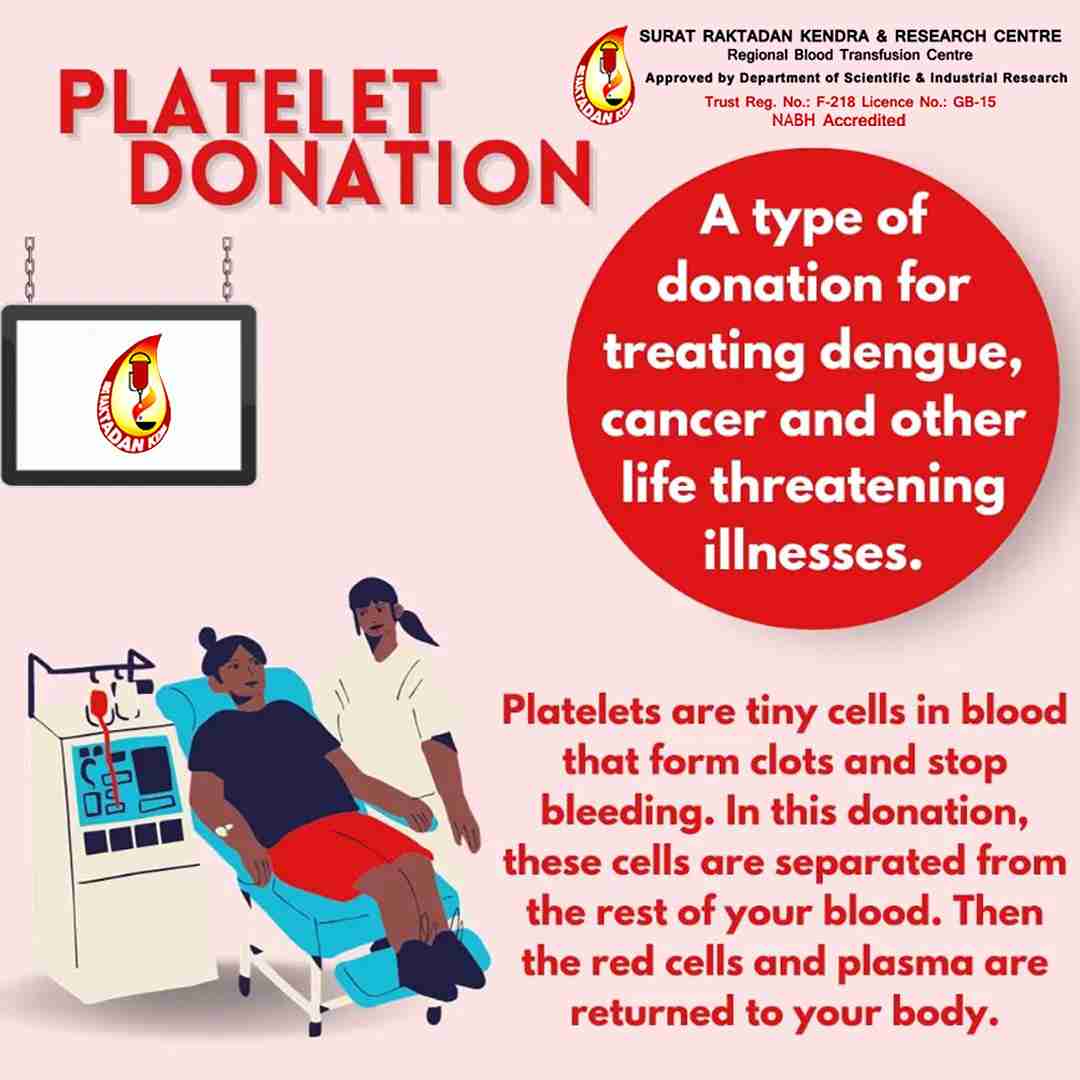
You hold the power to write a beautiful story of hope and survival
Our Credentials & Accolades
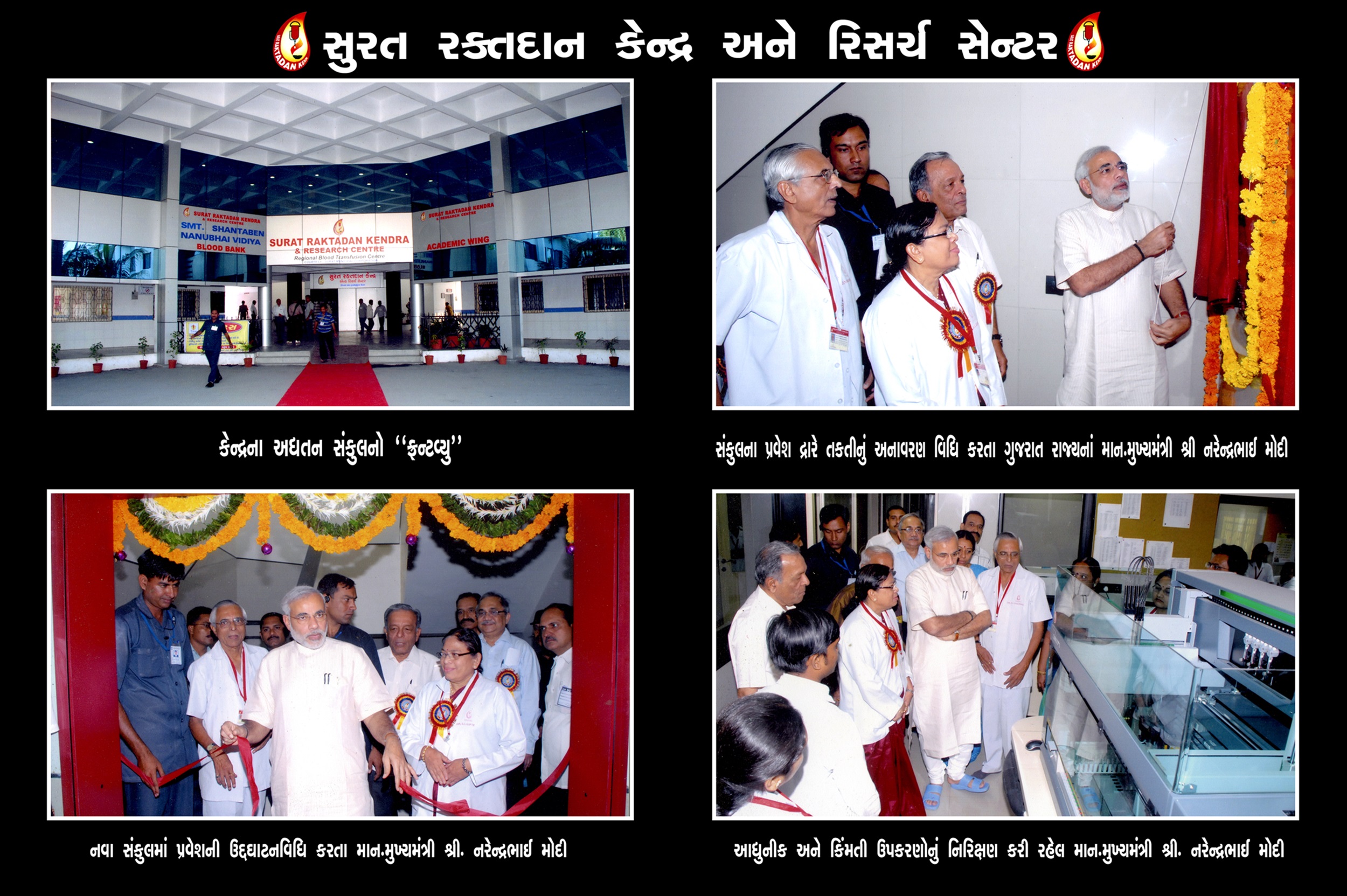
Surat Raktadan Kendra And Research Centre
Regional Blood Transfusion Centre
RBTC status by Govt. of Gujarat to established Blood Storage Centres in Bharuch, Narmada Tapi and Surat district.
Premier Research Center
Approved by the Department of Scientific & Industrial Research (DSIR), Gov. of India.
Quality Accredited
NABH Accredited Blood Center, ensuring the highest standards of quality & safety.
FDCA Approved Stem Cell Bank
Our Stem Cell bank is fully FDCA approved by the Government of India.
Strong Leadership & Guidance
Operates under the guidance of a management committee comprising experts, ensuring excellence.
University Affiliation
Affiliated with Veer Narmad South Gujarat University for PGDMLT courses.
Our Core Strengths
Life-Saving Support
More than 10,000 units of blood are provided free of charge annually to patients suffering from Thalassemia, Sickle Cell Anemia, Hemophilia, and other diseases.
Largest Storage
We operate the largest blood storage center in South Gujarat with advanced capacity.
100% NAT Testing
All blood units supplied by SRKRC are tested by Molecular (PCR) technology.
Recognized as the most advanced blood center in Gujarat, utilizing the latest technology and equipment including an Irradiation Machine and a NAT Testing Machine.
Expert Staff
Managed by a dedicated staff of over 80 experienced technical experts, ensuring the highest standards of safety and service.
Irradiation Facility
Recognized as the most advanced blood center in south Gujarat
employing the latest technology and equipment like γ-rays Irradiation Machine to ensure safety of blood components.
Our History
Our Remarkable 50 Years Journey
In 1976, the landscape of blood donation in Surat vastly differed from what it is today. Patients in need of blood had to rely on commercial Blood Banks, where the quality of blood varied, and access was often limited by availability and cost. These commercial banks sourced blood from professional donors, many of whom were poor and suffering from various infections, raising concerns about the safety, reliability and quality of the blood supply.
Established in 1976, Surat Raktadan Kendra & Research Centre (SRKRC) is a trusted charitable trust known for its unwavering commitment to quality in blood banking & Transfusion Medicine for over 49years. Accredited by NABH, our Regional Blood Transfusion Center boasts cutting-edge laboratory equipment and research facilities, endorsed by the Department of Scientific and Industrial Research (DSIR), Ministry of Science and Technology.
Formerly, patients in Surat faced challenges accessing safe blood, often resorting to commercial blood banks with questionable practices. SRKRC changed that narrative by championing voluntary blood donations and ensuring a reliable, ethical blood supply for the community.We understand the importance of being prepared for the unexpected, which is why we’re here as your trusted ally at Scellurance, supporting you and your family through life’s journey.
If you seek the premier destination for donations, medical laboratory technology training, or stem cell preservation in Surat, look no further! We are your trusted partner for health and educational needs.
Community Donation Hub
Our Surat Raktadan Kendra provides a convenient and secure institution for donating to help save lives in your community. Every donation makes an immediate local impact.
Medical Lab Training
Our PGDMLT institute affiliated to VNSGU is committed to deliver exceptional education and hands-on training for aspiring medical laboratory technicians.
Stem Cell Preservation
Our state-of-the-art stem cell bank ensures that you can preserve these valuable cells securely for future medical treatments and peace of mind.
With us, you'll find a one-stop-shop for all your health, medical, and educational needs in Surat!
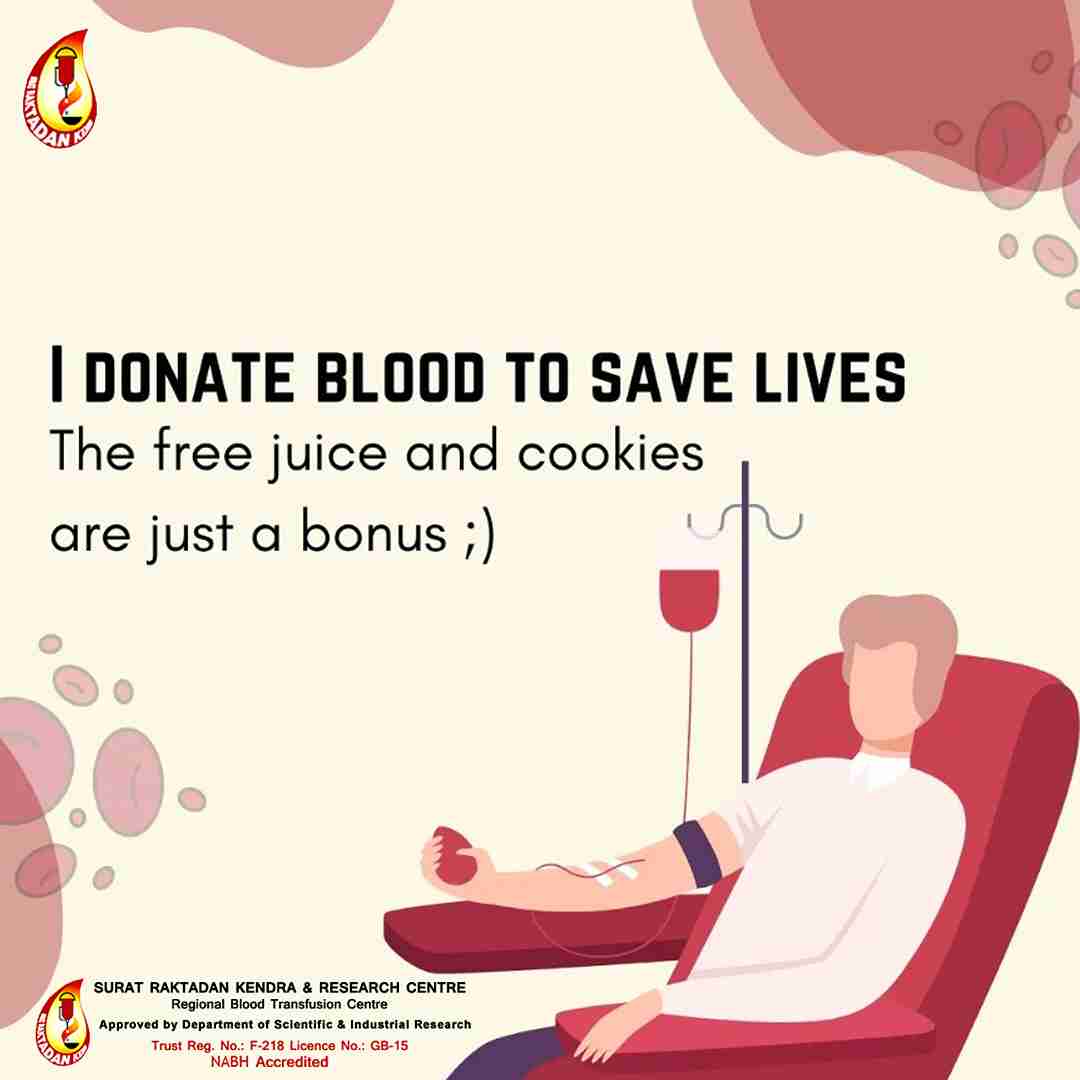
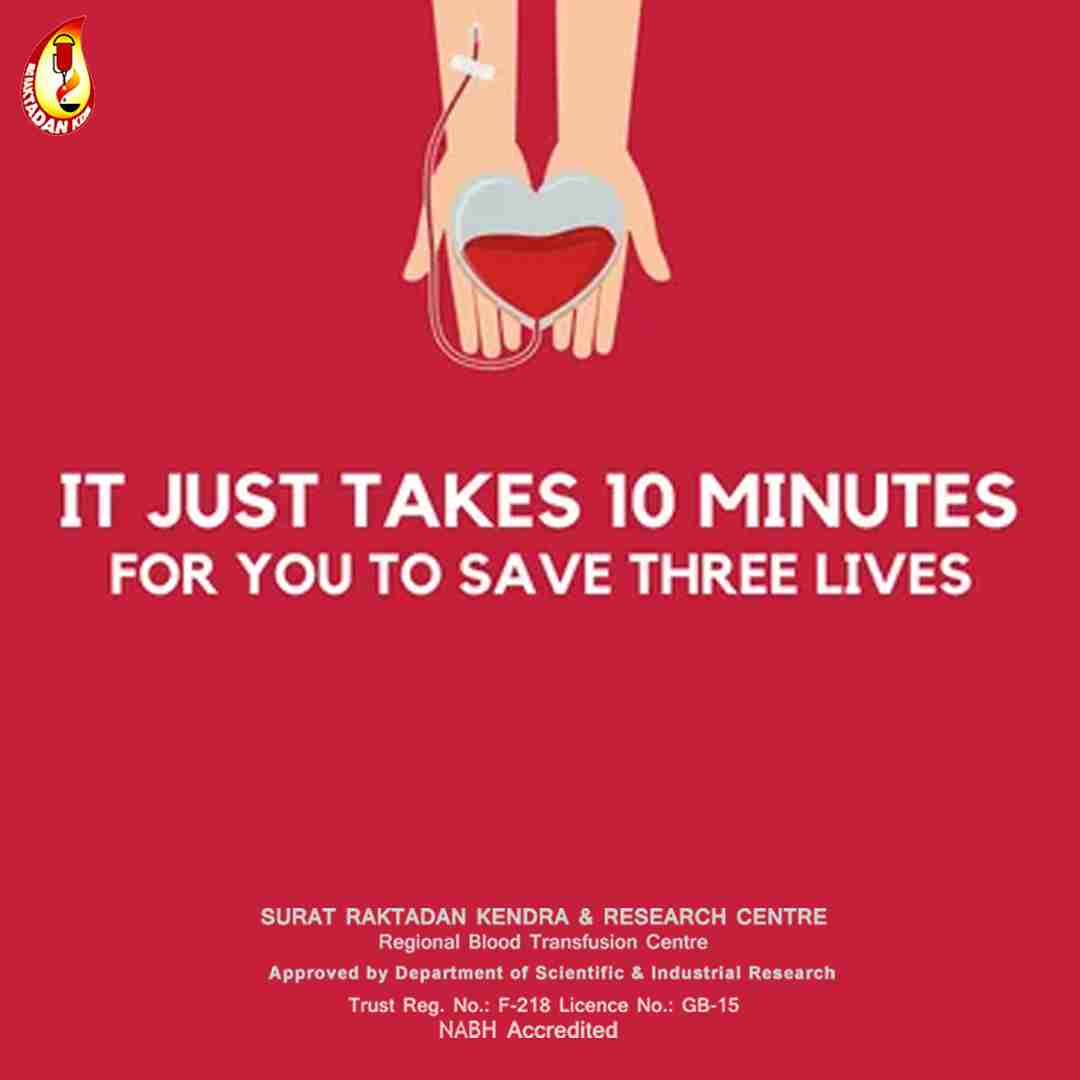
It’s easy to save lives, just by taking an hour out of your day to donate blood. You could be making a huge difference for someone in need. Whether it’s a patient undergoing surgery, a cancer patient receiving treatment, or someone involved in a traumatic accident, your donation could be the lifeline they desperately need. It’s such a small sacrifice for such a big impact.
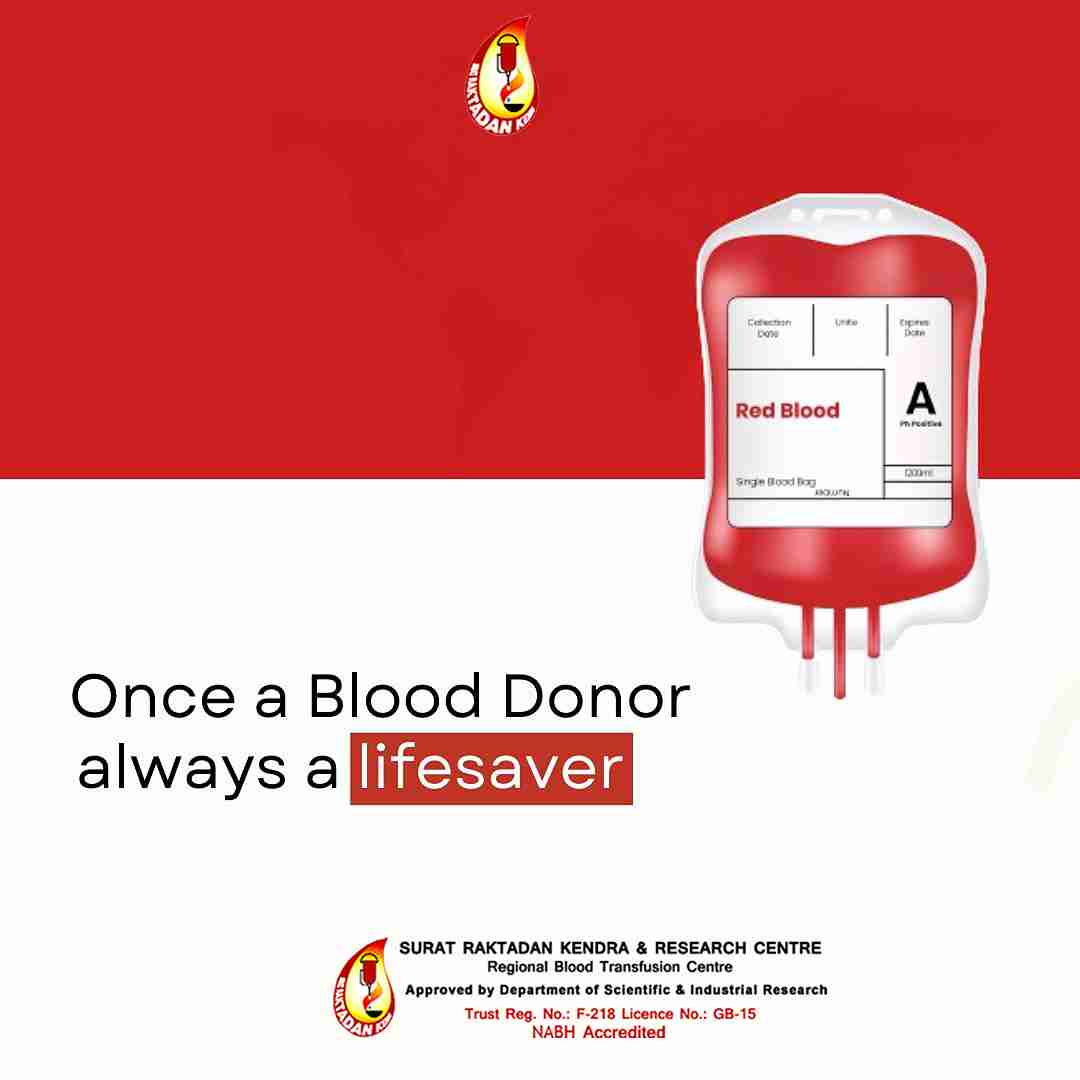
Give the gift of life. There are so many people out there who need blood transfusion to survive. From patients with chronic illnesses to accident victims in need of emergency transfusions, your donation could be the difference between life and death for someone in need. By giving blood, you’re giving the gift of life to someone who desperately needs it.
Donating blood feels great! It’s such a simple act, but the impact it can have on someone’s life is incredible. Knowing that you’re helping someone in need, possibly even saving their life, is an amazing feeling. Plus, the process itself is quick and easy, and the staff at the donation centers are always so friendly and helpful.
Be a hero-donate blood! You don’t need a cape or superpowers to be a hero; all you need is a willingness to donate blood. Every time you donate, you’re giving someone a chance at life. You’re providing them with the precious gift of blood that they may not be able to survive without. So why wait? Be a hero today and donate blood!